Australian Shepherd Embroidery: A Designer’s Review
As an embroidery designer who has spent countless weekends behind a craft fair table, I have learned that not every digital file translates into a bestseller. We often get caught up in the technical perfection of a machine embroidery design, forgetting the most critical factor: does it stop a customer in their tracks? Today, I am reviewing the Australian Shepherd design, specifically looking at its potential as a high-converting craft fair product for dog lovers and boutique makers.
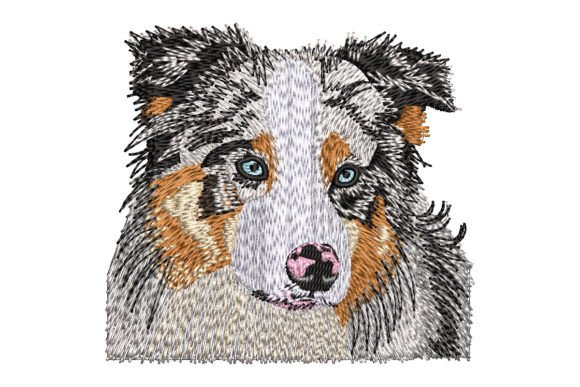
The product description highlights this as a realistic dog art piece intended for Australian Shepherds enthusiasts. In the world of Dogs and Embroidery, realism is a double-edged sword. It can look stunningly premium or muddy and indistinct if not executed correctly. My goal here is to evaluate whether this specific embroidery file has the visual punch required for a busy market environment and how it performs across various handmade goods.
First Impressions: Realism Meets Market Appeal
When I first loaded the Australian Shepherd into my editing software, my immediate observation was the level of detail. For a design labeled as "realistic," the thread play is crucial. Does it capture the distinctive merle or tri-color coat patterns that define the breed? From a seller’s perspective, this design feels less like a cute cartoon and more like a tribute piece. This shifts its market positioning from impulse-buy novelty to a thoughtful handmade product for serious dog owners.
The aesthetic leans towards the premium and decorative side. It is not necessarily "funny" or "minimal," which means it requires higher-quality base items to justify the price point. You cannot stitch this onto a thin, cheap polyester shirt and expect it to sell for a premium. It demands substance. This design works best when positioned as heirloom-quality or boutique-grade, appealing to customers who value the artistic representation of their pets.
Product Placement: Where This Design Shines
Not all blanks are created equal. Based on the complexity and subject matter of the Australian Shepherd, here is how I would prioritize products for a weekend booth:
- Tote Bag Design: A heavy canvas tote is arguably the best vessel for this artwork. The sturdy fabric supports the weight of the stitches without puckering, and the large surface area allows the realistic details to breathe. Customers love seeing their favorite breeds on functional items they use daily.
- Pillow Covers: This is a strong contender for home decor buyers. A neutral linen or cotton pillow cover with the Australian Shepherd centered creates a focal point in a living room. It appeals to the "farmhouse" or "rustic" decor trends that remain popular in handmade markets.
- Apron Embroidery: While viable, an apron might be too small for a highly detailed realistic portrait unless the design is scaled down significantly. If used here, ensure the placement is high on the bib where it is easily visible when worn.
- Tea Towel Embroidery: Proceed with caution. Tea towels have a loose weave and thin fabric. A dense realistic design can cause pulling or distortion. If you choose this route, use a high-quality cut-away stabilizer and consider simplifying the stitch count if your software allows edits.
- Embroidered Patch: Creating iron-on or sew-on patches is a fantastic way to utilize this design. Patches allow customers to customize their own jackets or bags. Ensure the border is satin-stitched tightly to prevent fraying.
Production Practicalities for the Small Shop Product
For the Etsy seller or local boutique owner, time is money. A realistic design often comes with higher stitch density. Before committing to a large batch, you must test the design on scrap fabric identical to your final product. Check for thread breaks, especially in areas where the color changes rapidly from dark to light, which is common in Australian Shepherd coats.
One major consideration is the hoop size. Realistic portraits usually require a larger hoop, such as 5x7 or 6x10 inches, to maintain clarity. If you attempt to shrink this design into a 4x4 hoop for a pocket shirt, you risk losing the facial features that make the dog recognizable. Always verify the recommended hoop size in the digital embroidery file documentation before purchasing or producing.
Furthermore, consider the thread colors. Australian Shepherds have complex coats. Using variegated threads can add depth and reduce sewing time, but solid threads offer more control over the final look. Test both options. A well-chosen palette can elevate the design from "nice" to "wow."
Visual Appeal and Customer Engagement
In a crowded craft fair, visual hierarchy is everything. The Australian Shepherd design needs to be legible from three feet away. If the details are too fine, they will blur into a brown or black blob at a distance. To combat this, pair the design with high-contrast fabrics. A dark dog on a light cream canvas bag pops; a dark dog on a navy shirt disappears.
This design also serves as excellent content for your online presence. Create a printable mockup or take high-resolution photos of the finished item in natural light. Use these images in your Etsy listings and social media posts. Show the texture of the stitches. Buyers of commercial embroidery products want to see the quality of the workmanship, not just the digital preview.
Careful-Use Notes and Technical Constraints
There are specific scenarios where this design may fail if not handled correctly:
- Fabric Texture: Avoid highly textured fabrics like waffle weave or thick terry cloth for detailed realistic faces. The needle may skip, or the fabric may shift, ruining the alignment of the eyes and nose.
- Curved Surfaces: Stitching this on a curved cap brim is difficult. The distortion can warp the dog's face. If doing caps, place the design on the front panel carefully and use a strong stabilizer.
- Dense Stitch Areas: High-density regions can make fabric stiff. If stitching on a soft garment like a baby onesie or a lightweight scarf, this design is likely unsuitable due to comfort issues.
- Small Lettering: If the design includes text, ensure it is large enough to read. Tiny serif fonts often fill in with thread and become illegible.
Final Verdict for Creative Entrepreneurs
The Australian Shepherd embroidery file is a strong candidate for makers targeting the pet lover niche. It is not a quick, low-effort design, but it offers high perceived value. To succeed, treat it as a premium asset. Invest in high-quality blanks, master your stabilizer choices, and present it on products that showcase its artistic merit, such as tote bags and pillows.
Remember to check the commercial licensing terms included with your purchase. Most designers allow you to sell physical finished products, but restrictions on reselling the digital file itself are standard. By respecting these boundaries and focusing on quality production, this design can become a staple in your small shop product lineup, driving engagement and sales through its emotional connection to dog owners.
Before you list it, stitch one sample. Hold it up. Step back. If it captures the spirit of the breed and looks crisp from a distance, you have a winner. Happy stitching!