Cute Lemon and Leaves: A Designer’s Craft Fair Review
As an embroidery designer who has spent countless weekends behind a booth table, I know that the difference between a browser and a buyer often comes down to visual impact. When I first loaded the Cute Lemon and Leaves design onto my machine, I was looking for more than just aesthetic appeal; I was evaluating its potential as a high-converting craft fair product. In the competitive world of handmade markets, your designs need to communicate joy, quality, and versatility instantly. This particular motif, categorized under Food and Embroidery, offers a bright, summery energy that translates beautifully into tangible goods.
First Impressions: Bold, Cheerful, and Market-Ready
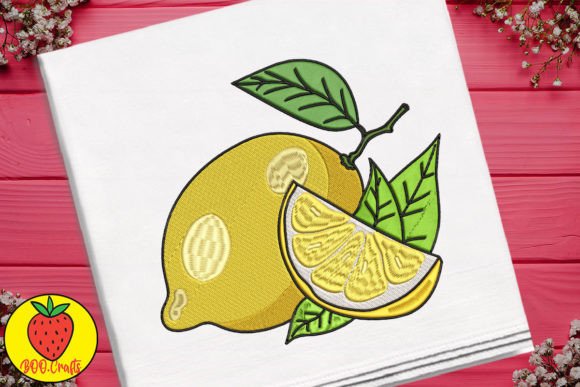
The immediate vibe of Cute Lemon and Leaves is undeniably cheerful. It strikes a balance between modern minimalism and rustic farmhouse charm, making it incredibly versatile for today’s consumer trends. For a craft fair seller, this is gold. Customers are drawn to items that evoke a sense of warmth and domestic comfort. The design does not feel overly complex or cluttered; instead, it relies on clean lines and recognizable shapes. This clarity is crucial when a potential customer is walking past your booth at speed. They need to understand what they are looking at from ten feet away.
From a production standpoint, the simplicity suggests that this could be a reliable workhorse in your catalog. It feels like a design that can be scaled effectively, whether used as a small accent on a pocket or a larger focal point on a tote. However, the "cute" aspect implies a certain softness. It is not aggressive or ultra-modern; it is approachable. This makes it ideal for giftable items, which are the bread and butter of weekend markets.
Product Applications: Where This Design Shines
To maximize sales, you must pair the right design with the right substrate. Based on the description stating it looks great on shirts, aprons, hats, canvas, and towels, here is how I would deploy Cute Lemon and Leaves in a real-world retail scenario:
- Tote Bag Design: Canvas totes are staples at craft fairs. Placing this lemon motif in the center or off-center on a natural cotton tote creates an instant bestseller. The yellow pops against the neutral background, creating a high-contrast look that photographs well for your online store.
- Apron Embroidery: Kitchenware is a huge category for handmade sellers. An apron with this design appeals to home cooks and bakers. It adds a personalized touch that mass-produced items lack, increasing the perceived value of the finished product.
- Tea Towel Embroidery: Tea towels are low-cost entry points for buyers. Because the design is likely not overly dense, it should sit flat on linen or cotton towels without causing puckering, provided you use the correct stabilizer.
- Embroidered Patch: If the design holds up at a smaller scale, turning it into an iron-on patch allows customers to customize their own jackets or bags. This expands your market to younger demographics who love DIY fashion.
- Caps and Hats: Curved surfaces are tricky. If you choose to embroider this on caps, ensure the design width fits the front panel without distorting. The leaves might need careful digitizing to avoid thread breaks on the curve.
Production Practicalities for the Small Shop Product
For any Etsy seller or boutique maker, time is money. The efficiency of producing Cute Lemon and Leaves is a key factor in its profitability. Since the description highlights it as a "fantastic lemon embroidery," we can assume the digitizing aims for quality. However, you must verify the stitch density. If the yellow fill areas are too dense, the fabric may pucker, especially on lighter materials like tea towels. Conversely, if it is too sparse, the underlying fabric might show through, ruining the vibrant look.
Batch production is where this design can truly shine. Because lemons are universally recognized and loved, you can create a cohesive collection. Imagine a display featuring matching tote bags, oven mitts, and wall hangings all featuring this same motif. This brand consistency strengthens your booth display and encourages multiple purchases. Furthermore, the design’s simplicity means it likely runs quickly, allowing you to produce more units per hour compared to intricate, multi-color portraits.
Technical Considerations and Careful Use
While the design is promising, there are technical hurdles to address before you commit to full production. As an experienced designer, I always advise testing on scrap fabric first. Here are specific areas to watch:
- Fabric Texture: Textured towels can sometimes cause small details to get lost. Ensure the leaves have enough definition to stand out against terry cloth or waffle weave.
- Thread Colors: The success of this design hinges on the vibrancy of your yellow thread. Use a high-sheen rayon or polyester thread to make the lemon pop. Contrast is key; if you are stitching on a dark fabric, consider adding a white underlay or border to prevent the yellow from muddying.
- Stabilizer Choice: For stretchy fabrics like t-shirts, a cut-away stabilizer is non-negotiable to maintain shape. For woven fabrics like aprons, a tear-away might suffice, but test for residue.
- Hoop Size: Check the required hoop size before purchasing. Ensure it fits your machine’s capabilities. If the design is large, you may need a 5x7 or 6x10 hoop, which limits the types of items you can easily embroider, such as small pouches.
Enhancing Visual Appeal and Buyer Engagement
In a digital marketplace, your printable mockup and listing photos are your only sales tools. Cute Lemon and Leaves is highly photogenic. The bright yellow color attracts the eye in thumbnail images, which can increase click-through rates. For your digital embroidery file listings, create mockups that show the design in situ—on a sunny kitchen counter, held by a model, or styled with fresh lemons. This lifestyle context helps buyers visualize the handmade product in their own lives.
For physical booths, use the design to create height and interest. Hang embroidered pillows at eye level and stack folded tea towels nearby. The repetition of the lemon motif creates a rhythm that draws people in. Remember, customers buy with their eyes first. A well-executed embroidery piece signals quality. If the stitches are neat and the tension is perfect, customers will assume the rest of your shop maintains that standard.
Final Designer Notes: Before You Sell
Before you list Cute Lemon and Leaves as a commercial embroidery product or sell finished goods, there are final checks to perform. First, confirm the licensing terms. The description mentions it is a high-quality design, but you must ensure you have the commercial rights to sell finished items if that is your business model. Second, inspect the design assets for any unnecessary jump stitches or trim commands that could slow down production. Clean up the file if necessary.
Finally, consider your target audience. This design appeals to those who love fresh, organic, and happy aesthetics. It fits perfectly into spring and summer collections but can also bring a touch of sunshine to winter gloom. By carefully selecting your fabrics, optimizing your thread colors, and presenting the design in a cohesive collection, Cute Lemon and Leaves can become a staple in your inventory. It is not just a pattern; it is a tool for building a recognizable, profitable brand in the handmade market.
Whether you are a seasoned embroidery business owner or a creative entrepreneur just starting out, this design offers a blend of charm and practicality. Test it, refine your process, and let the bright energy of the lemon boost your sales this season.