Dancing Halloween Skeleton: A Designer’s Review
As an embroidery designer who has spent years digitizing patterns and testing them on everything from flimsy silk to heavy denim, I approach every new machine embroidery design with a critical eye. It is not enough for a motif to look cute on a screen; it must hold up under the needle. Recently, I evaluated the Dancing Halloween Skeleton to determine if it meets the rigorous standards required for professional client work and high-volume craft sales. This review breaks down the aesthetic appeal, technical performance, and commercial viability of this specific embroidery file.
First Impressions: Mood and Visual Personality
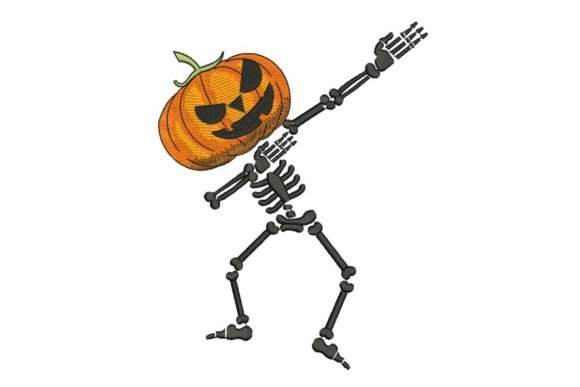
The first thing that strikes you about the Dancing Halloween Skeleton is its kinetic energy. Unlike static skull motifs that can feel grim or overly aggressive, this design captures a sense of playful movement. The layout suggests a whimsical character rather than a horror prop, which significantly broadens its market appeal. For a designer, this distinction is crucial. It means the motif is not limited to spooky decor but can seamlessly transition into fun, family-friendly apparel.
The visual personality is balanced. It avoids excessive clutter, which is often the downfall of complex Halloween themes. The lines are clean, and the silhouette is distinct. When I visualize this stitched out, I see a design that reads well from a distance. This clarity is essential for items like tote bags or back-of-jacket placements where detail can get lost. The elegance mentioned in the product description holds true, provided the stitch execution is precise. It feels modern, avoiding the dated clip-art look that plagues many digital design assets.
Real-World Application: The Tote Bag Test
To truly understand how a design performs, I mentally simulate a real-life production scenario. Imagine a local boutique owner requesting a run of twenty canvas tote bag design prototypes for an October pop-up shop. The Dancing Halloween Skeleton is an ideal candidate for this project. Canvas provides a stable foundation, allowing the stitches to sit flat without puckering.
In this context, the design’s "fun and easy to stitch" nature becomes a practical advantage. For a small business owner, time is money. A design that requires minimal troubleshooting reduces production costs. I envision using a contrasting thread color, such as bright orange or neon green against natural cotton, to make the skeleton pop. The result would be a chic, seasonal accessory that customers perceive as high-value. It transforms a basic bag into a handmade product with personality, encouraging impulse buys at craft fairs or online listings.
Apparel and Custom Gifts
Beyond accessories, this motif shines in custom apparel. Consider a child’s sweatshirt. Parents are often hesitant to buy scary Halloween gear for young kids, but a dancing skeleton is approachable. When applied as sweatshirt embroidery, the design adds a personalized touch that mass-produced prints cannot match. The key here is placement. Centering the design on the chest or placing it on the sleeve as a smaller accent can change the garment's entire vibe.
For baby embroidery projects, such as onesies or bibs, scale is the primary concern. While the design is described as high-quality, one must ensure the scaled-down version retains its integrity. Tiny details can merge if the stitch density is too high for small hoops. I recommend testing a smaller version on scrap fabric to verify that the limbs and facial features remain distinct. If the details hold up, it becomes a fantastic option for personalized gift sets during the holiday season.
Technical Considerations for Stitching Success
Even the best digital embroidery file requires proper handling. Here are the technical factors I evaluate before committing to a full production run:
- Fabric Texture and Stability: The description claims it looks gorgeous on any fabric, but experienced stitchers know better. Stretchy fabrics like jersey knits require a cut-away stabilizer to prevent distortion. The dancing pose involves curves and angles that can pull on unstable materials if not properly supported.
- Thread Color Contrast: To maintain the "elegant" look, choose thread colors that complement rather than clash. A monochromatic scheme using varying shades of grey or white on dark fabric can create a sophisticated, ghostly effect. Alternatively, vibrant thread colors enhance the playful aspect.
- Stitch Types: Understanding whether the design utilizes satin stitch for borders or fill stitch for larger areas helps in predicting texture. Satin stitches provide a shiny, smooth finish but can snag easily. Fill stitches offer durability but add bulk. For a skeleton motif, a mix of both likely creates depth, but care must be taken on thin fabrics to avoid stiffness.
- Hoop Size Constraints: Always confirm the required hoop size before starting. If the design is large, it may not fit standard cap frames or small multi-needle hoops. Check the dimensions provided with the file to ensure compatibility with your machine.
Navigating Potential Pitfalls
While the Dancing Halloween Skeleton is versatile, there are scenarios where caution is advised. Curved surfaces, such as baseball caps, present a challenge. The distortion inherent in cap embroidery can warp the dancing figure, making it look awkward. If using this design on headwear, I recommend placing it on the side panel rather than the front center, where the curve is less severe, or using a specialized cap frame with careful hooping techniques.
Additionally, be mindful of dense stitch areas. If the design has overlapping limbs or intricate details, the needle penetration can perforate delicate fabrics like silk or lightweight rayon. In these cases, using a water-soluble stabilizer on top of the fabric can help guide the needle and protect the material. Always test on a scrap piece of the exact fabric you intend to use. This simple step saves hours of frustration and prevents ruined garments.
Commercial Viability and Brand Consistency
For Etsy sellers and craft business owners, the visual appeal of a design directly impacts buyer engagement. The Dancing Halloween Skeleton offers a strong selling point because it is recognizable yet unique. It fits well within a broader Halloween collection without being generic. When creating printable mockup images for online listings, this design photographs well due to its clear outlines and dynamic pose.
However, commercial use requires diligence. Before selling finished items or using the design in client projects, verify the licensing terms. Some commercial embroidery licenses allow unlimited sales of physical goods, while others restrict usage or require attribution. Ensure you have the right to use the embroidery project in your specific business model. This protects your brand from legal issues and builds trust with your customers.
Final Verdict
The Dancing Halloween Skeleton is a solid addition to any designer’s library. It balances fun and elegance, making it suitable for a wide range of applications from embroidered patch creations to home decor. Its strength lies in its versatility and clean aesthetic. By paying attention to stabilizer choice, fabric type, and scale, you can ensure a professional finished product that delights customers. Whether you are creating holiday embroidery for family gifts or stocking your small shop product line, this design offers the reliability and charm needed to succeed in the competitive handmade market.
Remember, the quality of the final item depends as much on your execution as it does on the design file. Take the time to test, adjust, and refine your process. With the right approach, the Dancing Halloween Skeleton can become a staple in your seasonal offerings, bringing joy and style to every stitch.