Gnome Merry Christmas Lights: A Designer’s Review
As an embroidery designer who has spent countless hours digitizing and stitching out holiday motifs, I approach every new machine embroidery design with a critical eye. We have all been there: you download a file that looks charming on the screen, only to find it turns into a puckered mess or a tangled bird’s nest on your fabric. That is why I took the time to evaluate the Gnome Merry Christmas Lights design not just as a digital asset, but as a practical component for real-world projects. This review is written for fellow designers, Etsy sellers, and crafters who need to know if this design will hold up under the needle and meet the expectations of their customers.
First Impressions: Mood and Visual Personality
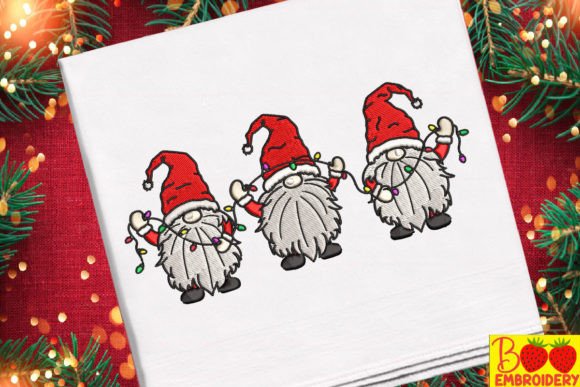
The first thing that strikes me about the Gnome Merry Christmas Lights is its inherent warmth. It captures that cozy, whimsical spirit of the season without relying on overly complex details that can often fail during stitching. The layout feels balanced, combining the playful character of a gnome with the classic motif of holiday lights. For a designer, this combination is smart. Gnomes are trending heavily in home decor and apparel, and pairing them with lights adds a layer of festivity that appeals to a broad audience.
The visual personality here is friendly and approachable. It does not try to be hyper-realistic, which is a good thing for machine embroidery. Instead, it leans into a stylized aesthetic that translates well to thread. When I look at the preview, I can already imagine how the satin stitch borders will define the shapes and how the fill stitch areas will provide solid coverage. It feels like a design that belongs on a soft fleece blanket or a structured tote bag rather than a high-fashion garment. It screams "handmade comfort," which is exactly what many buyers are looking for during the holidays.
Real-World Application: Where This Design Shines
To truly test the viability of any embroidery file, you have to imagine it on actual products. I mentally placed the Gnome Merry Christmas Lights on several items I commonly produce for my small shop. The most natural fit, in my opinion, is a canvas tote bag. The sturdy texture of canvas provides excellent support for the stitch density, allowing the colors of the Christmas lights and the gnome’s hat to pop. A tote bag design like this becomes an instant bestseller because it is functional yet festive.
Another strong candidate is sweatshirt embroidery. Imagine this stitched on the left chest of a heather grey crewneck. The contrast between the bright thread colors and the muted fabric would create a striking look. It works equally well as a larger back print on a hoodie, provided the hoop size allows for scaling without losing detail. For those running a craft business, this versatility is key. You can use the same digital embroidery file to create a range of products, from kitchen towels to pillow covers, maximizing your return on investment.
I also considered this for baby embroidery projects. A onesie or a burp cloth featuring this gnome would make a delightful personalized gift. However, when working with smaller garments, you must be mindful of the scale. The design needs to be resized carefully to ensure the gnome’s face and the light bulbs remain distinct and do not merge into a blob of thread. If executed correctly, it adds a touch of magic to nursery decor or holiday outfits for little ones.
Technical Considerations and Stitching Performance
While the design is visually appealing, technical execution is where many projects succeed or fail. One aspect I always scrutinize is stitch density. If the Gnome Merry Christmas Lights uses heavy fill stitches in small areas, it can cause fabric distortion. This is particularly important when working with stretchy fabrics like jersey knits for t-shirts. In such cases, using a cut-away stabilizer is non-negotiable to maintain the integrity of the finished product.
For textured fabrics, such as terry cloth towels or fluffy fleece, the design’s outlines need to be sharp. I recommend checking if the design utilizes a sufficient number of running stitch underlays to anchor the top stitches. Without proper underlay, the satin edges might sink into the pile of the fabric, making the gnome look undefined. If you are planning to use this on dark fabric, pay close attention to the thread color choices. You may need to adjust the palette to ensure the Christmas lights stand out against the background. A test stitch on scrap fabric is essential here.
Curved surfaces present another challenge. If you intend to put this on a cap, the curvature of the front panel can distort the image. The gnome’s proportions might look stretched or compressed if not positioned correctly within the hoop. I advise using a cap frame and stabilizing the area thoroughly before stitching. For flat items like aprons or placemats, these issues are minimal, making them safer bets for beginners or high-volume production runs.
Commercial Viability and Brand Consistency
For Etsy sellers and boutique owners, the commercial appeal of a design is paramount. The Gnome Merry Christmas Lights fits well within the current market trends for holiday decor. It has a high "giftability" factor, meaning customers are likely to buy items featuring this design as presents for friends and family. This drives engagement and sales, especially when paired with high-quality mockups.
When creating printable mockups or digital previews for your online store, ensure that the images reflect the true texture of the embroidery. Buyers want to see the sheen of the thread and the dimension of the stitches. A flat digital render can sometimes mislead customers about the quality of the finished product. By showcasing the design on actual fabrics, you build trust and demonstrate professionalism. This attention to detail helps differentiate your small shop product from mass-produced alternatives.
Furthermore, consistency in your brand offerings is crucial. If your shop specializes in whimsical, handcrafted items, this design aligns perfectly with that aesthetic. It reinforces your brand identity as a creator of unique, heartfelt goods. However, if your brand is more minimalist or modern, this gnome might feel out of place. Always consider whether a new design asset complements your existing collection.
Practical Notes for the Embroiderer
Before you load this design into your machine, take a moment to review the specifics. Since the product description does not provide exact stitch counts or compatible hoop sizes, you must check these details in the downloaded file package. Confirm that your machine can handle the file format provided. Whether it is PES, DST, or another format, compatibility is key to avoiding errors.
- Test on Scrap Fabric: Always stitch a sample on the same type of fabric you plan to use for the final item. This helps you identify any tension issues or density problems.
- Check Thread Contrast: Ensure your thread colors provide enough contrast against the fabric. Vibrant reds, greens, and golds work well for the lights and gnome accents.
- Inspect Small Details: Zoom in on the design software to check for tiny elements that might not stitch out cleanly. Simplify if necessary by removing unnecessary jumps or trims.
- Verify Licensing: If you plan to sell items made with this design, confirm the license terms. Most commercial embroidery designs allow for selling finished physical goods, but restrictions may apply to sharing the digital file itself.
- Use Proper Stabilizer: Match your stabilizer to your fabric. Tear-away for stable woven fabrics, cut-away for knits, and wash-away for delicate or sheer materials.
In conclusion, the Gnome Merry Christmas Lights is a solid addition to any holiday embroidery collection. It offers a blend of charm and practicality that works well across various applications, from custom apparel to home decor. By paying attention to technical details and understanding your materials, you can leverage this design to create high-quality, profitable products that delight your customers. Happy stitching!