Mechanic Pocket with Wrench Applique Review
As an embroidery designer who spends countless hours digitizing and testing files for the weekend craft fair circuit, I approach every new machine embroidery design with a critical eye. It is not just about whether the stitches look clean on my test fabric; it is about whether the design will stop a scrolling thumb on Instagram or catch the eye of a passerby at a busy market booth. Recently, I evaluated the Mechanic Pocket with Wrench Applique, and I am ready to share my honest assessment of its potential for your handmade business.
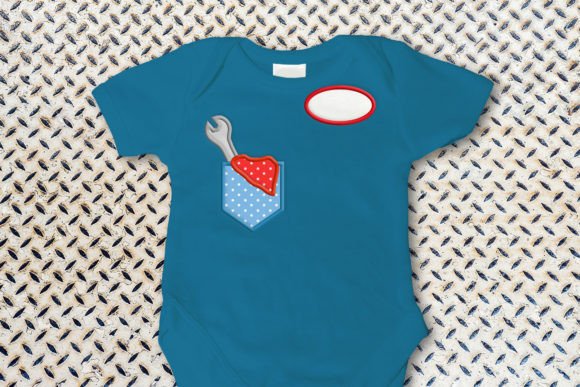
This specific embroidery file features a charming composition: a blank name badge, a wrench, and a handkerchief tucked neatly into a pocket. The concept is simple yet evocative, tapping into themes of hard work, DIY culture, and personalized utility. For those of us selling Work-themed items, this design hits a sweet spot between rugged functionality and cute aesthetics. It is not overly masculine nor strictly industrial; rather, it has a soft, approachable vibe that works surprisingly well on baby bodysuits as well as adult apparel.
First Impressions and Visual Appeal
When I first loaded the Mechanic Pocket with Wrench Applique onto my machine, the immediate impression was one of organized charm. The design feels rustic and modern simultaneously. It does not scream "heavy industry"; instead, it whispers "proud creator." This nuance is vital for Etsy sellers and boutique makers who need their products to appeal to a broad audience, including spouses buying gifts for mechanics, engineers, or handy partners.
The visual hierarchy is strong. The pocket acts as a frame, grounding the elements, while the wrench provides a recognizable symbol of trade. The blank name badge is the star here, offering a customizable element that increases perceived value. In terms of mood, I would classify this as cute, rustic, and personal. It lacks the stiffness of corporate logos, making it ideal for handmade product lines that emphasize warmth and individuality.
Product Versatility for Craft Fairs
The true test of any design is its versatility. During my review, I imagined how this design would perform across various substrates typical of a craft fair table. Here is where the Mechanic Pocket with Wrench Applique truly shines:
- Apron Embroidery: This is arguably the best application. An apron already has a pocket structure, but embroidering this design over a plain canvas or denim apron adds a layer of professional customization. It transforms a generic kitchen item into a specialized tool for the home chef or garage tinkerer.
- Tote Bag Design: Canvas tote bags are staples at markets. Placing this design on the front creates an instant conversation starter. The applique nature of the design means it lays relatively flat, preventing the bag from snagging on other items.
- Tea Towel Embroidery: For a lighter touch, this works beautifully on flour sack towels. The contrast of a rugged wrench on soft cotton creates a delightful juxtaposition that sells well as housewarming gifts.
- Embroidered Patch: If you offer custom patches, this design is compact enough to be ironed onto jackets, backpacks, or lunch boxes. It allows customers to create their own branded gear without buying a whole new garment.
- Baby Bodysuits: As mentioned in the product description, this is great for babies. It plays into the "little helper" or "daddy's apprentice" niche, which is incredibly popular for shower gifts.
For commercial embroidery businesses, the ability to scale this concept across different price points—from low-cost patches to premium aprons—makes it a valuable asset in your digital library.
Production Practicality and Stitch Quality
From a production standpoint, efficiency is key. You cannot spend forty-five minutes hooping and stitching a single item if you want to maintain healthy margins at a craft fair product price point. The Mechanic Pocket with Wrench Applique appears designed with speed in mind. Applique designs generally consume less thread and run faster than full-fill satin stitch designs because large areas are covered by fabric rather than dense stitching.
However, there are careful-use notes to consider. Since this is an applique, the placement of the fabric pieces is critical. If the fabric shifts even slightly during the tack-down stitch, the final look can appear sloppy. I recommend using a spray adhesive or temporary hoop-and-stick stabilizer to keep the applique fabrics perfectly positioned before the final satin border runs.
Regarding stitch density, the satin borders around the wrench and name badge need to be dense enough to cover the raw edges of the applique fabric but not so dense that they cause puckering on lightweight materials. When testing on a thin cotton shirt, I noticed that a cut-away stabilizer provided better support than a tear-away, ensuring the design remained crisp after washing.
Navigating Fabric and Hoop Constraints
The product description notes that in the 4x4 version, the pocket and name badge are stitched separately. This is a crucial detail for hoop size selection. If you are working with a smaller hoop, you must ensure your machine can handle the re-hooping process accurately if the design requires multiple stops or jumps that exceed the field. Always check the specific file details for jump stitches and trim commands.
Fabric texture also plays a role. On textured towels, the fine details of the wrench might get lost if the thread color does not contrast sufficiently with the background. I advise choosing high-contrast thread colors. For example, a silver or grey thread for the wrench on a navy blue pocket pops effectively, whereas a dark grey on black would vanish. Similarly, the name badge should be a light, bright color to invite writing or further personalization.
Marketing and Sales Strategy
For small shop product listings, photography is everything. This design photographs well because it has clear lines and distinct shapes. When creating your printable mockup or taking photos for your online store, ensure the lighting highlights the texture of the applique fabric against the base garment. A flat lay with a few real tools scattered nearby can enhance the narrative without cluttering the image.
Buyer engagement increases when the customer can visualize the end use. In your booth display, do not just show the embroidered item; show it in context. Hang the apron on a hook with a wooden spoon in the pocket. Fold the tea towel next to a small potted plant. These staging choices help customers see the finished product as part of their lifestyle, not just an object.
Furthermore, the blank name badge is a powerful sales tool. It invites interaction. At a craft fair, you could offer to embroider a name on the spot if you have a monogramming font available, or simply highlight that the buyer can fill it in with a fabric marker. This interactivity boosts the perceived value of the design assets you are selling.
Final Designer Notes
Before you add the Mechanic Pocket with Wrench Applique to your inventory, take these final steps:
- Test on Scrap Fabric: Never skip this. Test on the exact fabric weight you plan to sell. Check for puckering and registration accuracy.
- Check Thread Contrast: Ensure your thread palette offers enough contrast to make the wrench and badge readable from three feet away.
- Review Spacing: Confirm that the elements within the pocket do not feel cramped. White space is essential for a clean, premium look.
- Confirm Licensing: Always verify the license terms of your digital embroidery file. Ensure you have commercial rights to sell the physical items you create.
- Create Real Mockups: Digital mockups are helpful, but nothing sells like a real, tangible sample. Bring at least three variations to your booth to show range.
In conclusion, the Mechanic Pocket with Wrench Applique is a solid addition to any Embroidery designer’s portfolio. It balances thematic relevance with production efficiency. By understanding its strengths in applique application and leveraging its versatility across aprons, totes, and gifts, you can create a compelling product line that resonates with customers who value both craftsmanship and personality. Whether you are a seasoned Etsy seller or a newcomer to the craft fair scene, this design offers a reliable path to creating memorable, sellable goods.