Medical Design: A Pro Review for Business Merch
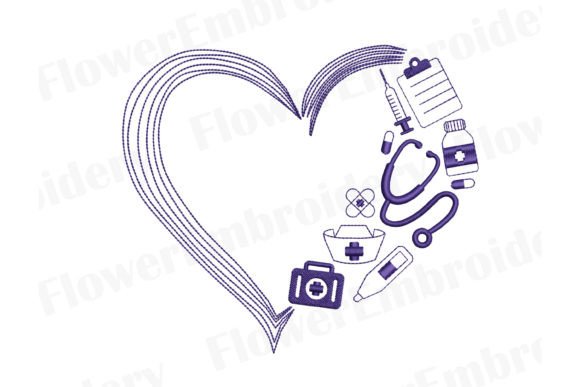
As an embroidery designer who has spent years digitizing and testing files for commercial use, I approach every new machine embroidery design with a critical eye. It is not just about whether a motif looks pretty on a screen; it is about how it performs in the real world of small business merchandise. Recently, I evaluated the Medical Design, a digital asset targeted at the Wellness category. For shop owners, apparel decorators, and Etsy sellers, understanding the practical application of this file is crucial before adding it to your product line.
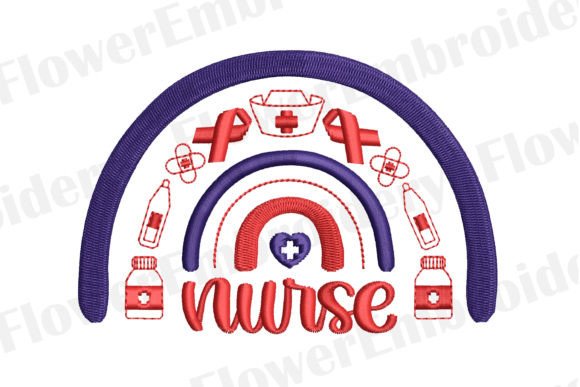
The initial impression of the Medical Design is one of approachable professionalism. The description notes that it is perfect for those who love medicine and sewing, suggesting a blend of technical precision and handmade warmth. This duality is vital for modern branding. Consumers today crave authenticity. They want their healthcare providers, wellness coaches, or medical supply brands to feel human and caring, not sterile and corporate. This design bridges that gap, offering a visual language that says "expert care" while maintaining the tactile appeal of Embroidery.
Real-World Applications for Small Business Merch
When I consider where to place this design, I look beyond the standard t-shirt. The versatility of this file makes it a strong candidate for diverse small business merch opportunities. Let’s break down specific use cases where this design can drive value.
- Staff Uniforms and Scrubs: This is the most obvious application. Embroidering this design on the chest pocket area of scrubs adds a personalized touch that distinguishes a private practice from a large hospital system. It builds immediate rapport with patients.
- Embroidered Patches: Creating velcro-backed patches allows for flexibility. Staff can swap them between jackets or bags. For a boutique wellness brand, these patches can be sold as standalone accessories, creating an additional revenue stream.
- Apron Embroidery: For compounding pharmacies, herbalists, or medical aestheticians, branded aprons are essential. The design serves as a subtle logo accent that reinforces brand identity without overwhelming the garment.
- Tote Bag Design: Promotional totes for health fairs or patient welcome kits are excellent carriers for this motif. It turns a utility item into a walking advertisement for your practice or shop.
- Cap Embroidery: A smaller version of the design on the front of a baseball cap creates a casual, community-focused look for outdoor health events or team building activities.
The key to success in these applications is consistency. Whether it is on a custom apparel piece or a home decor item, the design must remain legible and crisp. The description mentions it is great for personalizing clothes and home decor, which suggests the digitizer has considered various fabric types. However, as a business owner, you must verify this through testing.
Brand Identity and Customer Trust
In the wellness sector, trust is the currency. Your brand identity is not just your logo; it is the sum of every touchpoint a customer experiences. Using high-quality design assets like the Medical Design signals attention to detail. When a client receives a gift bag with a beautifully embroidered item, their perceived value of your service increases.
This design helps humanize medical professionals. In an era where healthcare can feel impersonal, a handmade touch reminds clients that there are caring individuals behind the services. It enhances buyer engagement because people are more likely to share photos of unique, textured items on social media than plain printed goods. This organic marketing is invaluable for local businesses and online sellers alike.
Technical Considerations and Production Notes
While the aesthetic appeal is strong, the technical execution determines whether the finished product is profitable or a headache. Here are my professional notes for preparing this design for production.
First, always check the stitch density. Medical themes often involve intricate lines or symbols. If the density is too high for lightweight fabrics like scrub material, you risk puckering. Conversely, if it is too low for heavy canvas tote bags, the background fabric may show through. You must test the embroidery file on the exact materials you intend to use.
Second, consider the hoop size constraints. The description states the design comes with multiple sizes, which is a significant advantage. However, you must ensure the smallest size retains clarity. Tiny lettering or fine details can become a blob of thread if scaled down too far without proper digitizing adjustments. Always run a test stitch-out on a scrap piece of your actual inventory fabric.
Third, pay attention to thread colors. Medical branding often leans towards blues, greens, and whites. Ensure the design has enough contrast to be visible on dark uniforms if that is part of your dress code. If the design relies on subtle shading, it may get lost on textured fabrics. A printable mockup can help visualize this, but nothing replaces a physical sample.
Stabilizer choice is non-negotiable. For stretchy performance fabrics common in modern scrubs, a cut-away stabilizer is usually required to prevent distortion after washing. For woven tote bags, a tear-away might suffice. Using the wrong stabilizer can ruin the look of even the best digital embroidery file.
Where to Use Caution
Not every surface is suitable for every design. Be cautious when applying the Medical Design to curved surfaces like the front of a structured cap. Hooping challenges can lead to misalignment. Additionally, avoid placing complex versions of this design on areas subject to high friction, such as the cuffs of sleeves, unless the stitch count is optimized for durability.
If you plan to use this for commercial embroidery projects involving frequent industrial laundering, verify the thread quality. Polyester threads are generally more colorfast and durable than rayon for medical environments. Also, confirm the licensing terms. The description implies it is for personalization, but for business use, you must ensure you have the correct commercial license to sell items featuring this design.
Final Verdict for Creators
The Medical Design is a versatile tool for anyone operating in the wellness space. It offers a way to elevate standard uniforms and promotional items into branded assets that convey care and professionalism. For Etsy sellers and crafters, it opens up niche markets in medical gifts and nurse appreciation products.
To maximize its potential, treat it as a core component of your visual strategy. Do not just slap it on a shirt; integrate it into your packaging, your staff attire, and your customer gifts. Test rigorously, respect the technical limits of your machine, and always prioritize the quality of the handmade product. When executed well, this design does more than decorate; it communicates your brand’s values through every stitch.
Before launching your campaign, create a small batch of samples. Compare the Medical Design beside your other design assets to ensure visual harmony. Check the file formats provided to ensure compatibility with your embroidery machine software. By taking these preparatory steps, you transform a simple digital purchase into a powerful element of your business infrastructure.