Minimalist Red Leaf: A Designer’s Review
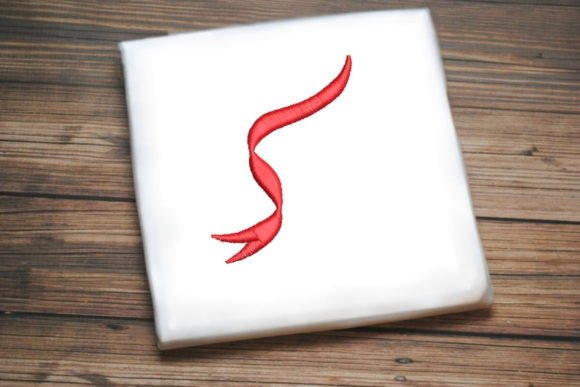
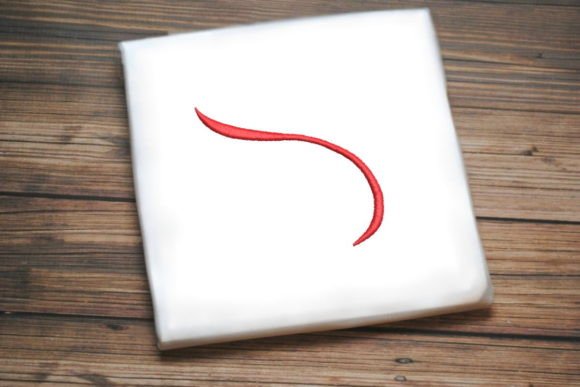
As a designer who spends more time staring at stitch maps than finished garments, I have learned that simplicity is often the hardest thing to execute well. When I first loaded the Minimalist Red Leaf into my editing software, my initial reaction was one of cautious optimism. In the world of Single Flowers and botanical motifs, there is a fine line between elegant minimalism and unfinished emptiness. This design, however, manages to strike a balance that feels intentional, modern, and surprisingly versatile for a wide range of embroidery projects.
The visual personality of this piece is quiet but confident. It does not scream for attention with excessive detail or complex shading. Instead, it relies on clean lines and a strong silhouette. For those of us running a craft business or selling on platforms like Etsy, this is a crucial distinction. Busy designs can sometimes overwhelm the fabric or look cluttered after washing, but a design with this level of restraint tends to age better. It creates a mood of understated sophistication, making it an ideal candidate for customers who prefer subtle branding over loud graphics.
Real-World Application: The Tote Bag Test
To truly evaluate a machine embroidery design, you have to move beyond the screen and think about the final finished product. I recently considered using this leaf motif for a line of canvas tote bags. Canvas is a tricky medium; it has a distinct fabric texture that can swallow up delicate stitches if the stitch density is too low. However, because the Minimalist Red Leaf avoids overly tiny, isolated details, it holds up remarkably well on heavier materials.
Imagine stitching this onto a natural, unbleached cotton tote. The contrast of a vibrant red thread against the neutral background creates an immediate focal point. It transforms a basic utility item into a handmade product that feels curated and thoughtful. For an Etsy seller, this is the kind of design assets that drives sales because it looks professional in printable mockup previews. The design does not require a massive hoop size, which means you can place it discreetly on the corner of the bag or center it for a bolder statement, depending on your brand aesthetic.
Versatility Across Apparel and Home Decor
Beyond totes, I see significant potential for this design in custom apparel. Specifically, sweatshirt embroidery has seen a surge in popularity, and minimalist botanicals are a staple in that niche. The leaf’s shape complements the soft, relaxed drape of a fleece crewneck. When using a satin stitch border with a light fill stitch interior, the design lays flat and does not add unnecessary bulk, which is critical for comfort.
For baby embroidery projects, such as onesies or burp cloths, the simplicity is again a major advantage. Parents often prefer designs that are soft and not overly aggressive. A single red leaf can serve as a gender-neutral accent that feels organic and warm. Similarly, in home decor, this motif works beautifully on kitchen towels or pillow covers. It acts as a holiday embroidery accent during autumn months without being so specific to Thanksgiving that it cannot be used year-round. This longevity increases the perceived value of the small shop product.
Technical Considerations and Stitching Clarity
While the design is described as fun and easy to stitch, "easy" is relative to your setup. As an experienced reviewer, I must point out areas where caution is needed. The elegance of the Minimalist Red Leaf relies on the clarity of its outline. If you are working with a running stitch for the outer edges, ensure your tension is perfectly balanced. Any puckering will distort the smooth curves of the leaf, ruining the minimalist effect.
Furthermore, consider your thread colors carefully. Since the design is monochromatic in its core concept, the shade of red you choose defines the entire look. A deep burgundy reads as traditional and cozy, while a bright scarlet feels modern and pop-art inspired. Always test your thread choices on scrap fabric first. What looks vibrant on your screen may appear muddy or too dark on certain fabrics. Additionally, if you are stitching on dark fabric, ensure you are using a high-quality rayon or polyester thread with enough sheen to catch the light, adding dimension to the flat design.
Navigating Fabric Challenges
One common pitfall with minimalist designs is their performance on stretchy or textured fabrics. If you are applying this to a jersey knit t-shirt, the lack of dense internal stitching might lead to instability if not properly supported. Using the correct stabilizer is non-negotiable here. A cut-away stabilizer is often safer for garments that will be washed frequently, ensuring the design maintains its shape over time. For woven fabrics like linen or cotton, a tear-away may suffice, but always test first.
Be particularly careful with curved surfaces, such as caps. While the design is small enough to fit on a front panel, the curvature can distort the perspective of the leaf. It is advisable to digitize or adjust the pull compensation slightly if you notice the edges pulling inward during the test stitch. This attention to detail separates a amateur-looking embroidered patch or cap from a professional boutique item.
Enhancing Brand Value and Customer Trust
From a business perspective, the Minimalist Red Leaf contributes to brand consistency. It is recognizable without being overwhelming. When customers see a clean, well-stitched design, it builds trust in the quality of your work. It suggests that you care about precision and aesthetics. This is vital for commercial embroidery clients who may be ordering branded merchandise for their own businesses. They want a logo or icon that looks crisp and legible, and this design delivers that clarity.
Moreover, the design’s adaptability makes it a smart investment for your digital library. Whether you are creating a personalized gift for a friend or producing inventory for a craft fair, the ability to scale the design effectively without losing integrity is key. It serves as an excellent base for further customization, such as adding initials in a complementary font, though one should avoid cluttering the clean space around the leaf.
Final Verdict and Practical Advice
In conclusion, the Minimalist Red Leaf is a strong addition to any designer’s portfolio. It is not just a pretty picture; it is a functional, versatile tool for creating high-quality embroidery projects. Its strength lies in its restraint. It allows the fabric and the thread quality to shine, rather than hiding behind complex digitizing tricks.
Before you begin your next project, remember to check the specific file formats provided to ensure compatibility with your machine. Verify the recommended hoop size to avoid unnecessary re-hooping. And most importantly, respect the licensing terms. If you plan to sell finished items or use this as part of a larger digital embroidery file collection, confirm that your license covers commercial embroidery use. By treating this design with the technical respect it deserves, you will find it to be a reliable, elegant choice for everything from tote bag design concepts to heirloom-quality gifts.