Review: Beautiful Green Blue Flower Design
As a designer who has spent countless hours digitizing and stitching out floral motifs, I have learned that not all flowers are created equal. Some are too dense for delicate fabrics, while others lack the visual punch needed for commercial apparel. When I first loaded the Beautiful Green Blue Flower into my embroidery software, I was looking for a balance between elegance and stitchability. This design, categorized under Single Flowers, promises to be fun and easy to stitch, but does it hold up in a real-world production environment? After putting it through its paces on various textiles, I can confidently say it is a versatile asset for any serious maker.
First Impressions and Visual Personality
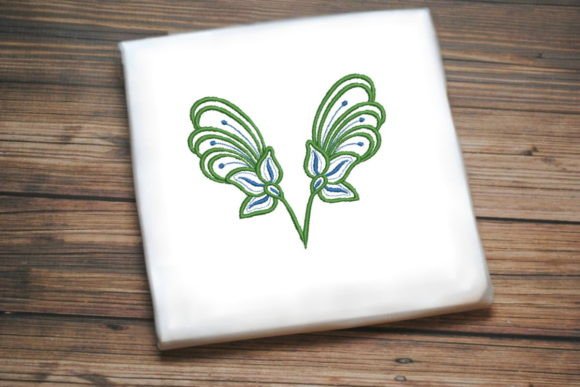
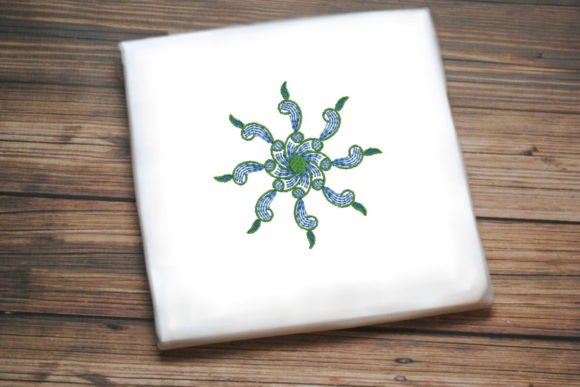
The immediate appeal of the Beautiful Green Blue Flower lies in its color harmony and structural simplicity. The interplay between the cool blues and vibrant greens creates a calming, natural aesthetic that feels both modern and timeless. Unlike overly complex botanical illustrations that require thousands of stitches to define every petal vein, this design relies on smart shape definition. It avoids unnecessary clutter, which is crucial for maintaining clarity, especially when scaled down for smaller items like baby clothes or patches.
The layout is well-balanced, ensuring that the visual weight is distributed evenly. This is critical when you are working with a machine embroidery design intended for curved surfaces or stretchy fabrics. A lopsided design can cause puckering or distortion, but the symmetry here suggests a thoughtful digitization process. It feels like a piece that belongs in a high-end boutique rather than a generic craft store bin.
Real-World Application: The Tote Bag Test
To truly evaluate an embroidery file, you must take it out of the digital realm and onto fabric. I chose to test this design on a heavy-duty canvas tote bag, a popular item for Etsy sellers and small shop products. Canvas is forgiving, but it requires good stabilization to prevent the design from sinking into the weave.
I used a medium-weight cut-away stabilizer to support the stitches. As the machine began to work, I observed how the fill stitch areas interacted with the fabric texture. The density appeared appropriate—not so tight that it caused the canvas to warp, but dense enough to provide full coverage without showing the background material. The resulting finished product had a professional sheen. The blue petals popped against the natural beige of the canvas, while the green leaves provided a grounded, organic frame. This confirms its suitability for tote bag design projects where durability and visual impact are paramount.
Versatility Across Product Lines
Beyond totes, I envision this design performing exceptionally well in several other categories:
- Sweatshirt Embroidery: The design’s clean lines translate beautifully to fleece. The contrast of the bright threads against heather gray or navy sweatshirts creates a sophisticated look for custom apparel.
- Baby Embroidery: Because the design is not overly dense, it remains soft to the touch. This makes it ideal for onesies or burp cloths, provided you use a soft backing stabilizer to protect sensitive skin.
- Holiday Embroidery: While the colors are natural, they fit perfectly within spring and summer gift collections. It serves as a lovely personalized gift element when combined with monograms or names.
- Embroidered Patch: The defined edges make it a strong candidate for merrowed-edge patches. The distinct separation between the flower and the background allows for clean cutting and finishing.
Technical Considerations for Designers
While the Beautiful Green Blue Flower is described as easy to stitch, experienced craft business owners know that "easy" is relative to your setup. Here are some practical notes to ensure success:
Fabric Selection Matters: This design will look gorgeous on most fabrics, but exercise caution with very thin or slippery materials like silk or chiffon. The stitch density might be too heavy for these delicate textiles without extensive hooping techniques and water-soluble stabilizers. Conversely, on thick towels, ensure your needle is sharp enough to penetrate the loops without breaking.
Thread Color Contrast: The default colorway is stunning, but do not be afraid to experiment. I tested a variation using monochromatic blues on a white tea towel. The result was subtle and elegant, perfect for home decor items where a quieter aesthetic is desired. Always stitch out a test sample on scrap fabric to check how your specific thread brands render the gradients and shadows.
Hoop Size and Placement: Before committing to a final project, confirm the required hoop size. If you are placing this on a cap or a curved sleeve, ensure the design fits within your cylinder hoop or cap frame without distortion. The design’s compact nature is an advantage here, allowing for placement in tighter spaces where larger floral arrangements would fail.
Enhancing Brand Value and Customer Trust
For commercial embroidery professionals, the quality of your design assets directly reflects your brand. Using a crisp, well-digitized flower like this one elevates the perceived value of your handmade product. Customers can instantly tell the difference between a muddy, poorly stitched image and a clean, vibrant one. This attention to detail builds trust and encourages repeat business.
When creating printable mockups or digital previews for your online store, this design photographs well. The clear distinction between the satin stitch outlines and the fill areas catches the light nicely, making your product images stand out in a crowded marketplace. Whether you are selling the physical item or the digital embroidery file itself, presentation is key.
Final Verdict and Best Practices
The Beautiful Green Blue Flower is a reliable, attractive addition to any designer’s library. It bridges the gap between decorative flair and technical practicality. However, always remember to check the specific license terms before selling finished items or redistributing the file. While it is marketed as suitable for any fabric, your specific machine and thread combination will dictate the final outcome.
Before launching a full production run, follow these steps:
- Stitch a test sample on the exact fabric you intend to use.
- Inspect the back of the embroidery for excessive bobbin thread or looping.
- Wash and dry the test piece to ensure the design holds up to care instructions.
- Compare the design on both light and dark backgrounds to determine if underlay stitches are needed for opacity.
In conclusion, this Single Flowers category item delivers on its promise of elegance and ease. It is a thoughtful choice for anyone looking to add a touch of natural beauty to their embroidery project, from small-scale hobbyists to established apparel decorators. With proper preparation and attention to detail, it will undoubtedly become a staple in your creative toolkit.