Review: Yellow One Line Flower for Craft Fairs
As an embroidery designer who has spent countless weekends behind a booth table, I know that the difference between a browser and a buyer often comes down to visual clarity and emotional connection. When I first loaded the Yellow One Line Flower into my digitizing software, my immediate reaction was one of relief mixed with excitement. In a market saturated with overly complex, dense designs, this piece stands out for its minimalist elegance. It is not just a pattern; it is a strategic asset for any Etsy seller or handmade shop owner looking to streamline production without sacrificing aesthetic appeal.
First Impressions: Minimalism Meets Warmth
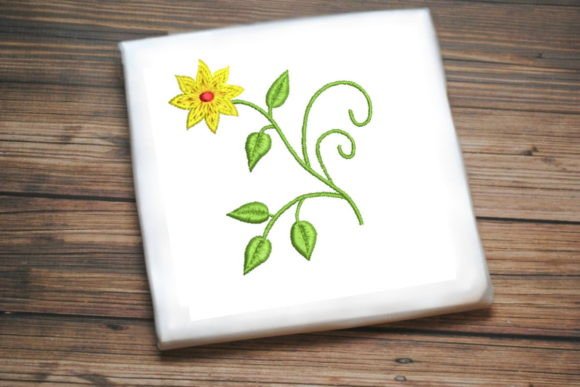
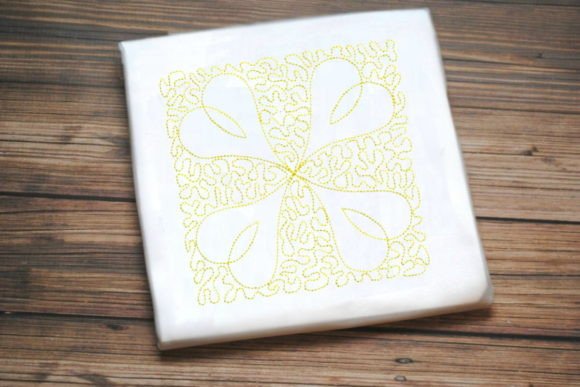
The title itself gives away the charm: Yellow One Line Flower. This is a design that relies on negative space and continuous flow rather than heavy fill stitches. Visually, it feels modern, soft, and undeniably cheerful. The single-line technique creates a sense of movement, making the flower appear as though it was drawn by hand in one swift, confident motion. For craft fair sellers, this is crucial. Customers walking past a booth have seconds to process what they see. A cluttered design requires explanation; a clean, one-line design communicates instantly. It reads as contemporary and chic, fitting perfectly into the current trend of understated, organic home decor.
Because it falls under the category of Single Flowers, it avoids the busyness of bouquets, allowing it to serve as a versatile accent. Whether you are aiming for a farmhouse vibe or a sleek modern look, this Embroidery design adapts effortlessly. The yellow hue, typically associated with joy and energy, adds a pop of warmth that draws the eye without overwhelming the substrate.
Product Versatility: Where It Shines
The true test of any machine embroidery design is its adaptability across various products. I evaluated this file against my standard lineup of craft fair staples, and the results were promising.
- Tote Bags and Market Bags: This is arguably the best application for the Yellow One Line Flower. On a natural canvas tote, the yellow thread pops beautifully against the neutral background. It works exceptionally well as a tote bag design because it doesn't weigh down the fabric. The light stitch count means the bag remains flexible and soft, a key selling point for customers who want practicality alongside style.
- Aprons and Tea Towels: For kitchen textiles, simplicity is king. An apron embroidery featuring this flower on the bib or pocket adds a touch of personality without looking childish. Similarly, for tea towel embroidery, the design’s open structure ensures it doesn’t create a stiff, uncomfortable patch on thin linen or cotton. It feels like a premium, boutique addition rather than a mass-produced afterthought.
- Caps and Curved Surfaces: Here, caution is required. While the design is simple, stitching on curved cap surfaces can distort linear elements. However, because this is a one-line design, the risk of puckering is lower than with dense fills. If you choose to use it on hats, ensure you are using a high-quality cut-away stabilizer to maintain the integrity of the line.
- Embroidered Patches: Creating an embroidered patch with this design allows for batch production. You can stitch multiple flowers on a large sheet of felt or twill, cut them out, and sell them as standalone accessories. This is a fantastic way to increase average order value at your booth.
Production Efficiency and Batch Selling
For small shop owners, time is money. The Yellow One Line Flower is a dream for batch production. Because it is described as "fun and easy to stitch," it likely features low stitch density and minimal thread breaks. This means less time trimming jumps and more time hooping the next item. When preparing for a weekend market, being able to churn out twenty identical tote bags or pillow covers in a single afternoon is a massive advantage.
Furthermore, the design photographs exceptionally well. In an era where online presence drives foot traffic to physical booths, having a printable mockup or high-quality digital photos is essential. The clean lines of this flower translate beautifully to Instagram and Pinterest. It doesn’t get lost in shadow or texture, making it an ideal candidate for your Etsy listings and social media previews. A strong visual identity helps build brand consistency, making your booth recognizable from afar.
Technical Considerations and Careful Use
While the design is forgiving, it is not without its technical nuances. As an experienced designer, I must highlight a few critical points to ensure your finished product looks professional.
- Fabric Texture and Contrast: The elegance of a one-line design depends entirely on visibility. On thick, textured towels or dark fabrics, the single line may get lost. Always test the thread colors against your fabric. A bright yellow thread on a white towel might vanish in bright sunlight; consider using a slightly deeper gold or mustard if stitching on very light fabrics, or stick to high-contrast pairings like yellow on navy or black.
- Stitch Density and Stabilizer: Even though the design is simple, do not skimp on stabilization. A lightweight cut-away or tear-away stabilizer is recommended depending on the fabric stretch. Without proper support, the single line can look wavy or uneven, detracting from the "hand-drawn" aesthetic you are trying to achieve.
- Hoop Size and Placement: Check the recommended hoop size before purchasing. While one-line designs can often be scaled, shrinking them too much can cause the thread to merge, losing the definition of the petals. Ensure you maintain enough spacing between the lines to keep the design legible.
- Commercial Licensing: Before turning this into a craft fair product, confirm the license terms. Most digital sellers provide a commercial license for physical goods, but it is vital to read the fine print. Ensure you are compliant when selling commercial embroidery items.
Enhancing Visual Appeal and Customer Engagement
Ultimately, the Yellow One Line Flower is about more than just stitches; it is about perceived value. Customers at handmade markets are looking for items that feel special and curated. A design that looks elegant and gorgeous, as promised in the description, elevates a basic cotton tote into a giftable item. It suggests that the maker has an eye for detail and modern trends.
When displaying these items at your booth, use the simplicity of the design to your advantage. Pair the embroidered items with fresh yellow flowers or lemon-themed decor to create a cohesive vignette. This contextual staging helps customers visualize the product in their own homes, increasing the likelihood of a sale. The design acts as a focal point that invites conversation, allowing you to share your process and connect with buyers on a personal level.
Final Designer Notes
Before you commit to a large production run, take the time to test the digital embroidery file on scrap fabric similar to your final product. Check the tension, inspect the start and stop points, and ensure the yellow thread does not bleed or fray excessively. Create at least one real mockup to see how the light hits the stitches. If you are new to using design assets like this, remember that preparation is key. Verify the file format compatibility with your machine, and always keep a backup of your original purchase.
In conclusion, the Yellow One Line Flower is a robust, versatile addition to any embroidery business portfolio. It balances ease of production with high visual impact, making it an ideal choice for small shop products ranging from kitchen linens to wearable art. By understanding its strengths and respecting its technical requirements, you can leverage this design to create standout items that resonate with today’s conscious, style-savvy consumers.