Stripped Paisley Duet: A Designer’s Review
As an embroidery designer who has spent years digitizing patterns and consulting with small business owners, I approach every new machine embroidery design with a critical eye. It is not enough for a pattern to look pretty on a screen; it must perform under the needle, withstand washing, and elevate the brand it represents. Recently, I evaluated Stripped Paisley Duet, a pattern that promises elegance and versatility for personalizing sewing projects. My goal was to determine if this design holds up as a viable asset for branded merchandise, from café aprons to boutique tote bags.
First Impressions: Visual Personality and Brand Fit
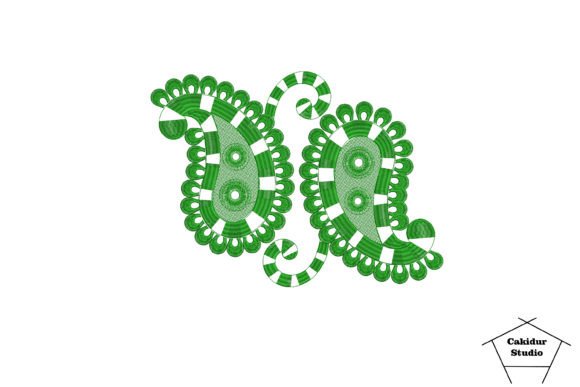
The title Stripped Paisley Duet suggests a blend of classic motifs with a modern, perhaps minimalist, twist. Upon reviewing the visual structure, the design feels less like the heavy, ornate paisleys of the past and more like a refined, contemporary accent. It strikes a balance between professional and friendly, making it an excellent candidate for businesses that want to appear approachable yet polished. For handmade brands and Etsy sellers, this aesthetic is crucial. It does not scream "corporate," nor does it feel too casual. Instead, it offers a decorative touch that implies care and attention to detail.
This visual personality makes it particularly suitable for industries like floristry, bakeries, and creative studios. These sectors rely heavily on visual consistency and a sense of artisanal quality. When a customer sees this embroidery on a product, it reinforces the idea of a handmade product crafted with intention. The elegance of the duet motif can serve as a subtle signature, distinguishing your brand from competitors who might use generic clipart or overly complex logos that lose detail when stitched.
Real-World Applications for Small Business Merch
The true test of any digital embroidery file is its adaptability across various substrates. I analyzed how Stripped Paisley Duet would perform in several common commercial scenarios.
- Embroidered Patches: This is perhaps the strongest use case. The design’s contained shape works well for iron-on or sew-on patches. These can be applied to denim jackets, canvas bags, or even used as thank-you gifts for loyal customers. A well-executed patch adds tangible value to the unboxing experience.
- Apron Embroidery: For cafes and boutiques, staff uniforms are walking billboards. Placing this design on the chest pocket or lower corner of an apron creates a sophisticated look. It is large enough to be recognized but small enough to remain unobtrusive during work.
- Tote Bag Design: Canvas totes are staples for retail businesses. The Stripped Paisley Duet provides a creative accent that breaks up the monotony of plain fabric. Because the description notes it stitches nicely on home decor and fabrics, it should handle the thicker weave of canvas without excessive puckering, provided the right stabilizer is used.
- Cap Embroidery: Using this on headwear requires caution. The curved surface of a cap front can distort intricate details. However, if the design is scaled appropriately, it can serve as a stylish side-panel accent or a subtle front logo for lifestyle brands.
For product designers and merch creators, this design also serves as an excellent element for printable mockup presentations. Before committing to bulk production, you can visualize how the thread colors interact with different fabric swatches, ensuring the final product aligns with your brand identity.
Technical Considerations and Production Notes
While the aesthetic appeal is high, technical execution is where many small businesses stumble. The product description states that this machine embroidery will stitch out nicely on bedsheets and home decor, which implies a moderate stitch density. However, when applying this to custom apparel or structured items, you must consider the fabric texture and stability.
Here are my practical notes for ensuring a high-quality finished product:
- Test on Real Fabric: Never assume a design will work on your specific material based solely on digital previews. Stitch a sample on the exact fabric you intend to use for your small business merch. Pay attention to how the needles penetrate textured fabrics versus smooth cottons.
- Stabilizer Selection: The choice of stabilizer is critical. For stretchy fabrics like jersey tees, a cut-away stabilizer is essential to prevent distortion. For woven fabrics like tote bags or aprons, a tear-away may suffice, but a heat-seal stabilizer can provide extra crispness for detailed paisley elements.
- Color Contrast: Evaluate your thread colors carefully. A low-contrast combination might look elegant on screen but disappear in real life. Ensure there is enough contrast between the thread and the fabric to maintain visibility, especially if the design is used as a subtle branding element.
- Hoop Size Constraints: The description does not specify the exact hoop size requirements. Before purchasing, verify that the design fits within your machine’s maximum hoop area. If you plan to use it on small items like pocket squares or hat brims, ensure the design can be scaled down without losing integrity.
- Black and White Test: Stitch the design in black thread on white fabric first. This reveals any gaps, overlaps, or density issues that color might hide. It is the best way to inspect spacing and structural integrity.
Enhancing Brand Identity and Customer Trust
In the world of commercial embroidery, consistency builds trust. When customers see the same high-quality Stripped Paisley Duet on their receipt envelope, their shopping bag, and their purchased item, it creates a cohesive brand experience. This visual consistency signals professionalism. It tells the buyer that you care about the details, which justifies premium pricing.
Moreover, using unique design assets like this helps avoid the "generic" look that plagues many drop-shipping businesses. By incorporating a distinctive paisley duet into your brand identity, you create a recognizable visual signature. Over time, this symbol becomes associated with your quality and style, fostering deeper customer engagement and loyalty.
Where to Use Caution
Despite its versatility, there are scenarios where Stripped Paisley Duet might not be the best choice. Avoid using it on items that undergo rigorous, industrial washing unless you have tested its durability extensively. Fine details in paisley designs can sometimes loosen or fray if the stitch count is too low for the fabric type. Additionally, be cautious with very dark uniforms if the design relies on fine lines; thick threads on dark fabric can sometimes create a bulky appearance if the underlay is not properly digitized.
Also, remember that the product description mentions it is great for personalizing sewing projects and home decor. It does not explicitly state commercial licensing terms. As a business owner, you must confirm the license agreement before using this embroidery file for goods you intend to sell. Most designers offer specific commercial licenses, so ensure you have the correct permissions to protect your business legally.
Final Verdict for Merch Creators
Stripped Paisley Duet is a strong contender for small business owners looking to add a touch of elegance to their merchandise. It bridges the gap between traditional decoration and modern branding. Whether you are creating embroidered patches for a local market, designing apron embroidery for your cafe staff, or adding a unique touch to tote bag design, this pattern offers the flexibility needed for diverse applications. By paying attention to technical details like stabilizer choice and thread contrast, you can transform this digital file into a powerful tool for building your brand’s visual legacy.