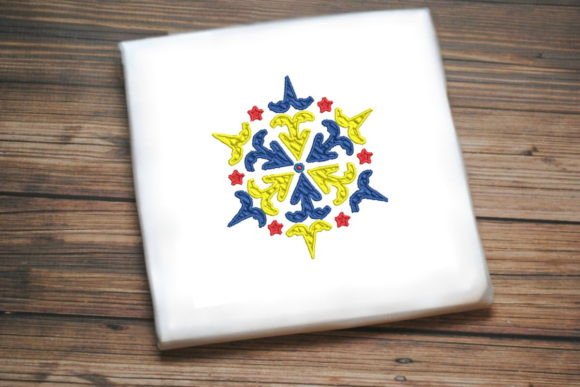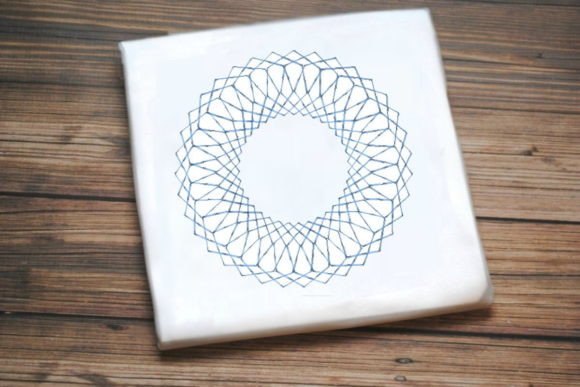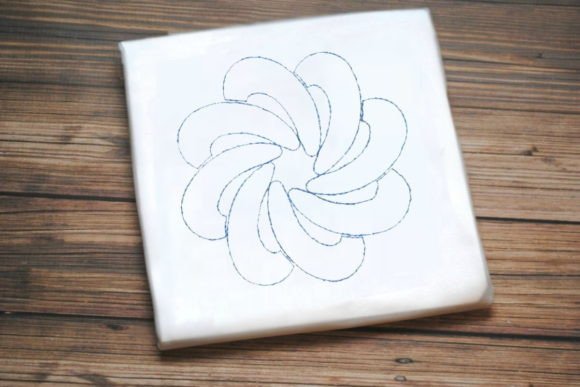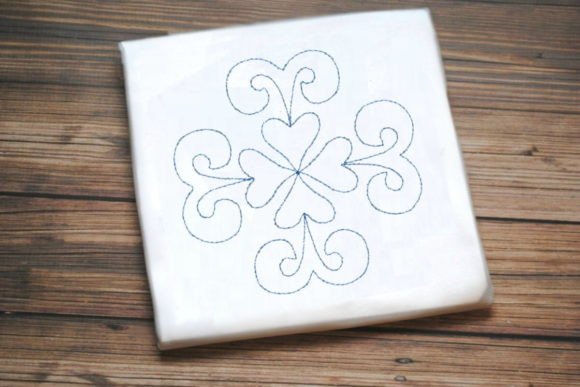
Reviewing Unique One Line Flower for Real Projects
As a designer who spends more time staring at stitch maps than actual fabric, I have learned that simplicity is often the hardest thing to execute well. When I first opened the file for Unique One Line Flower, my initial reaction was one of cautious optimism. In the world of Single Flowers, the market is saturated with overly complex, dense designs that chew through thread and time. This design, however, takes a different approach. It relies on the elegance of continuous line work, a style that has become increasingly popular in modern Embroidery for its minimalist aesthetic and clean finish.
I decided to put this machine embroidery design through its paces not just as a digital preview, but as a potential cornerstone for a client’s spring collection. The goal was to determine if this embroidery file could hold its own in a commercial setting, specifically for custom apparel and boutique home goods. Here is my practical breakdown of how it performs in the real world.
First Impressions and Visual Mood
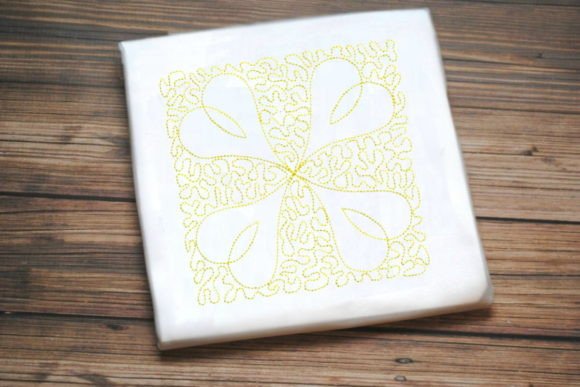
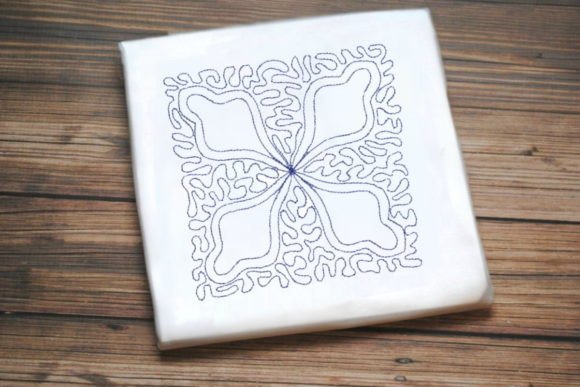
The immediate appeal of Unique One Line Flower is its fluidity. Unlike traditional floral motifs that rely heavily on fill stitch blocks to create volume, this design utilizes what appears to be a sophisticated combination of running stitch and light satin stitch accents. The result is a look that feels hand-drawn and organic. It does not shout for attention; instead, it invites a closer look. This subtlety is crucial for modern consumers who are moving away from loud, graphic-heavy logos toward more understated, artistic branding.
The mood it creates is calm and sophisticated. It fits naturally into projects that aim for a "slow living" or artisanal vibe. For an Etsy seller or a small shop owner, this visual personality is a significant asset. It suggests quality and thoughtfulness without appearing mass-produced. When I viewed it in a standard viewer, the line weight looked consistent, which is a good indicator that the digitizer paid attention to pull compensation and stitch direction.
Real-World Application: The Tote Bag Test
To truly evaluate its utility, I imagined a specific scenario: a batch of canvas tote bags for a local botanical garden’s gift shop. These bags need to be durable, stylish, and quick to produce. I selected Unique One Line Flower as the central tote bag design. Because the design is not overly dense, it avoids the common pitfall of making stiff, heavy patches on flexible fabric. Canvas has a distinct fabric texture, and a lighter design allows that texture to breathe through the stitches, creating a more integrated and high-end look.
In this context, the design shines. It works beautifully as a standalone element on the pocket of a tote or centered on a plain cotton apron. I also considered it for sweatshirt embroidery. On fleece or French terry, dense designs can sometimes cause puckering if the stabilizer isn't perfect. However, the open nature of this one-line style minimizes that risk. It sits lightly on the surface, making it an excellent choice for custom apparel where comfort is key. The design does not feel like a heavy patch stuck onto the garment; it feels like part of the fabric itself.
Performance on Challenging Surfaces
While the design is versatile, it is not without its limitations. I would advise caution when using it on highly textured fabrics like thick wool or loose-weave linen. Since the design relies on clean lines, any irregularity in the fabric can disrupt the visual flow. Similarly, on stretchy fabrics like jersey knits used for baby clothes, proper stabilization is non-negotiable. Even though the stitch count is likely lower than a filled design, the tension must be balanced perfectly to prevent the lines from wavering.
Another consideration is scale. If you plan to shrink this down for a small embroidered patch or a hat front, you must check the minimum size recommendations. Fine lines can merge or break if scaled too small, especially on curved surfaces like caps. I recommend stitching a test sample on scrap fabric of the same type before committing to a final finished product. This is particularly important for baby embroidery, where softness and safety are paramount, and any rough edges from poor stitching would be unacceptable.
Commercial Value and Brand Consistency
For those running a craft business, the value of a design lies not just in its beauty, but in its efficiency. Unique One Line Flower appears to be optimized for speed. Lower stitch density generally means faster machine run times, which directly impacts your profit margin on bulk orders. Whether you are creating holiday embroidery gifts or year-round small shop product lines, time saved on stitching is time gained for packaging and marketing.
Furthermore, this design enhances brand consistency. Its minimalist style pairs well with modern typography and neutral thread colors. It does not clash with other design elements, making it a flexible asset for creating cohesive collections. You can use it on kitchen towels, pillow covers, or even as a subtle accent on branded packaging. The versatility allows you to maintain a recognizable aesthetic across different product categories, building trust with your customers who come to expect a certain level of refined taste from your brand.
Practical Designer Notes
Before you download and start stitching, here are a few technical checks I always perform with new files:
- Check the License: Always confirm whether the digital embroidery file allows for commercial use. Some designers restrict the number of physical items you can sell, while others offer unlimited commercial licenses. Ensure you are compliant before listing items on Etsy or in your boutique.
- Test Thread Contrast: This design relies on line clarity. Test it with high-contrast thread colors first to see the definition, then try tone-on-tone combinations for a more subtle, elegant look. Monochromatic schemes work exceptionally well here.
- Stabilizer Selection: Because it is a line-based design, a cut-away stabilizer might be overkill for woven fabrics. A good quality tear-away or wash-away stabilizer should suffice, provided your hoop tension is correct. For knits, stick with cut-away to maintain shape integrity.
- Mockup Verification: Create printable mockups in both black and white to ensure the design holds its form without color reliance. If it looks good in grayscale, it will look great in color.
- File Formats: Verify that the download includes the format compatible with your specific machine. While most modern machines read common formats, having the native file can sometimes allow for minor edits if you have advanced software.
Final Verdict
Unique One Line Flower is a strong contender for any designer’s library. It bridges the gap between artistic expression and commercial practicality. It is not just a pretty picture; it is a functional tool for creating high-quality, personalized gifts and retail products. Its strength lies in its restraint. By avoiding unnecessary complexity, it offers a clean, professional finish that appeals to a wide audience. For the commercial embroidery professional or the serious hobbyist, this design offers a reliable, elegant solution for adding a touch of nature-inspired beauty to any project. Just remember to respect the fabric, choose your stabilizer wisely, and let the simplicity of the line do the work.